Define the reach and setback
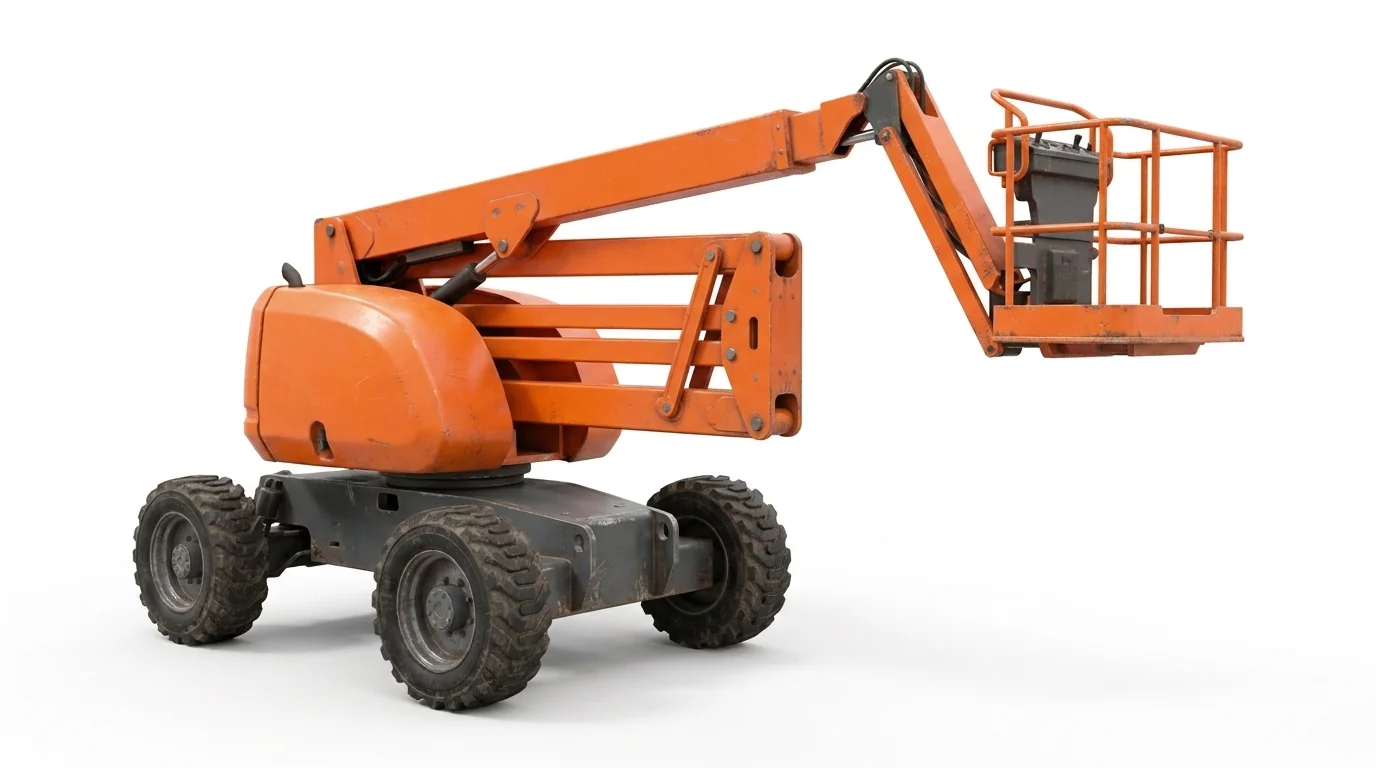
- Measure platform height and true horizontal outreach to the work point. Telescopic booms excel when the path is unobstructed and long reach is required.
- Confirm available setup space; these booms need swing clearance and stable footing, especially near laydown areas and staging yards.
Local surface conditions that matter
- Sandy soil common to new pads and utility corridors can undermine support if not properly compacted. Rough‑terrain models with appropriate tires are typical for unpaved zones.
- Finished slab around renovated venues or healthcare expansions may allow smaller chassis but still requires non‑marking tires if crossing interior thresholds.
Power source and corrosion considerations
- Diesel rough‑terrain units are standard for exterior reach in coastal climates. Electronics and connectors should be suitable for humid, salt‑air environments.
- Electric or hybrid models can fit noise‑sensitive or partially enclosed areas; confirm duty cycle and charging logistics on sites with limited power.
Comparisons that refine the decision
- Obstacles between the machine and the work point: consider an articulating boom if you must reach up and over awnings, parapets, or racking.
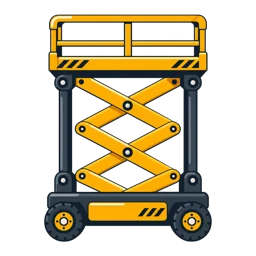
- Mostly vertical work on slab: an electric scissor lift can be more efficient indoors.
- Material placement at height rather than personnel access: a telehandler may be the correct category.
Access and transport in Jacksonville
- Many industrial sites near logistics corridors have tight gate turns and active truck traffic. Confirm approach paths, low wires, and staging that keeps the boom clear of dock operations.
For a broader look at elevated access options, see boom lift and aerial lift resources.