Define the load and placement
- Know the heaviest load and where it needs to land: ground level, truck bed, or elevated deck. Rated capacity decreases as the boom extends; the load chart for the chosen unit governs final placement.
- Measure the setback from the landing spot; longer reach requires larger frames and wider turning radii.
Ground and approach considerations
- Sandy or recently filled sites may challenge smaller tires and lighter machines. Rough‑terrain chassis are common for exterior work across industrial sites.
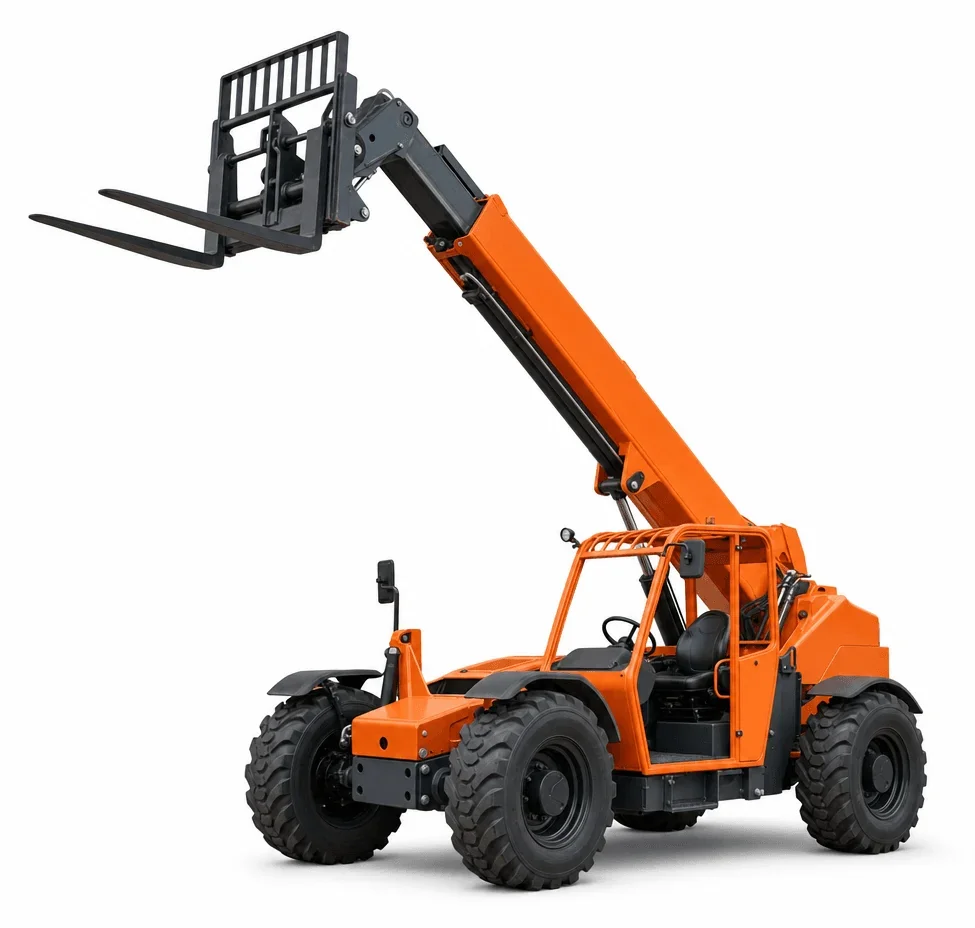
- Approaches through busy yards demand tight maneuvering; compact telehandlers help when dock traffic and fencing limit space.
Attachments and environment
- Pallet work dominates around local distribution buildings; confirm fork length and carriage style that fit standard pallet dimensions used on site.
- Coastal humidity and salt‑air can influence electrical components and corrosion points; plan maintenance intervals accordingly on longer runs.
When another category is better
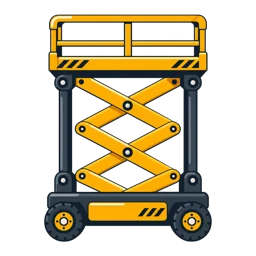
- Pure vertical personnel access: electric scissor lifts on slab or rough‑terrain scissor lifts outdoors.
- Long, unobstructed personnel reach: telescopic booms.
- Tight indoor up‑and‑over access for service work: articulating booms or vertical masts.
Logistics planning in Jacksonville
- Coordinate movements around inbound and outbound freight cycles. Identify staging areas that avoid soft shoulders and keep clear of overhead obstructions.
For complementary site solutions, see storage containers for secure laydown and temporary fencing for controlled zones.