Articulating vs. telescopic: the core decision
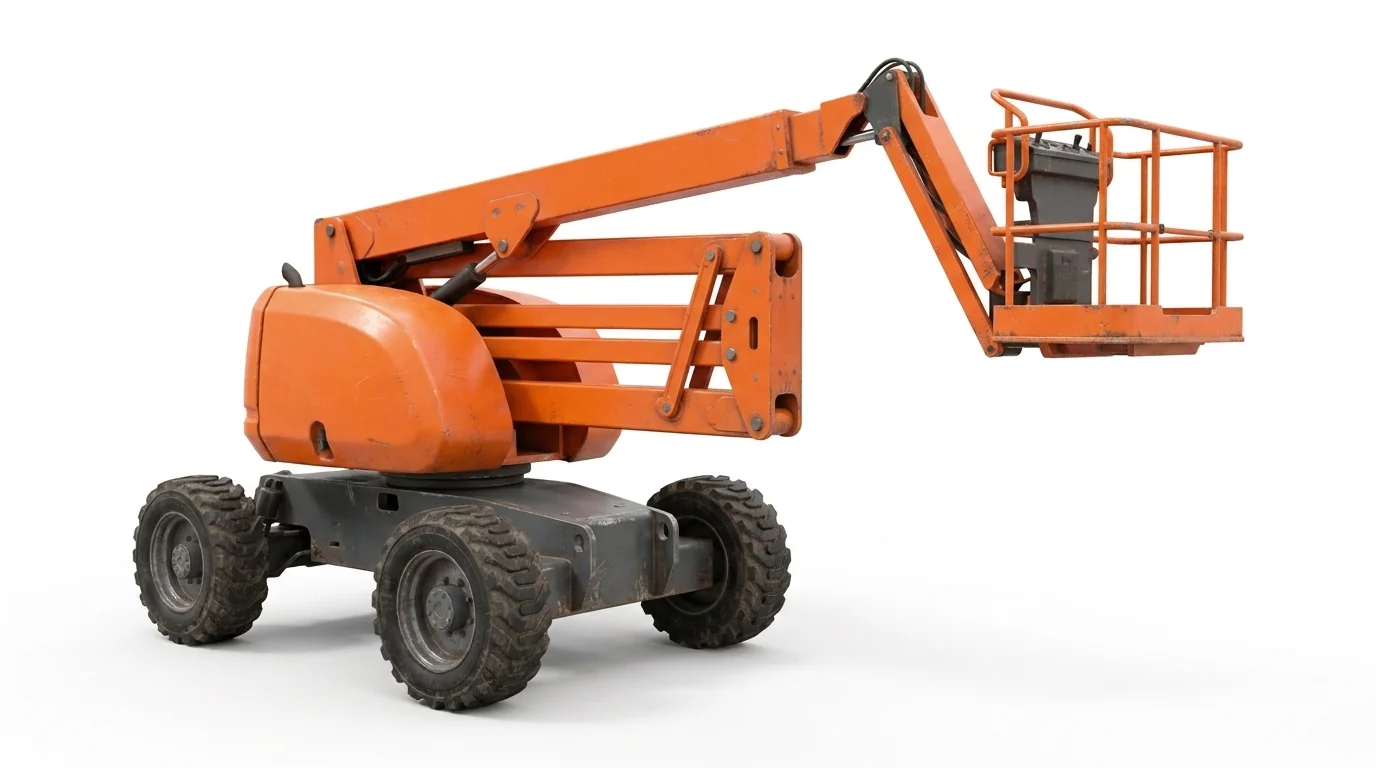
- Articulating booms: Multiple joints move around obstacles—ideal for exterior façades, utility runs over equipment yards, or venue renovations where direct below access is blocked.
- Telescopic booms: Straight sections extend farther horizontally—best for open sites that demand long outreach without complex maneuvering.
Jacksonville factors that influence boom specs
- Sandy ground: Open yards and construction perimeters often include loose soils. Planning may consider tire selection and surface support to manage bearing pressure and traction.
- Coastal wind exposure: Elevated work near open water or wide clearings brings additional wind considerations. Platform height and outreach must be reviewed with site procedures and the unit’s instructions.
Typical local applications
- Articulating: Up-and-over access for façade repairs, canopies, and utility ties across congested service areas
- Telescopic: Long reach for signage, lighting, and work across setbacks or staging lanes
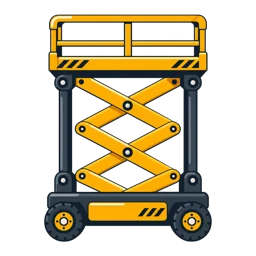
When a scissor lift works better
If the task is directly overhead and deck space for tools or materials is the priority, a scissor can be more efficient than a boom. For indoor vertical work on slabs, see /electric-scissor-lift-rental/. For outdoor vertical access with wider platforms, see /rough-terrain-scissor-lift-rental/.
Related planning links
- All aerial categories: /aerial-lift-rental/
- Narrow-aisle vertical access: /electric-scissor-lift-rental/
- Outdoor vertical capacity: /rough-terrain-scissor-lift-rental/
Actual site conditions, the selected unit’s instructions, and jobsite procedures govern elevated and exterior work around Jacksonville.