Start with the work geometry
- Can the machine sit below the task and reach up and over a parapet, awning, or racking? Measure horizontal setback from the task to the nearest safe machine position.
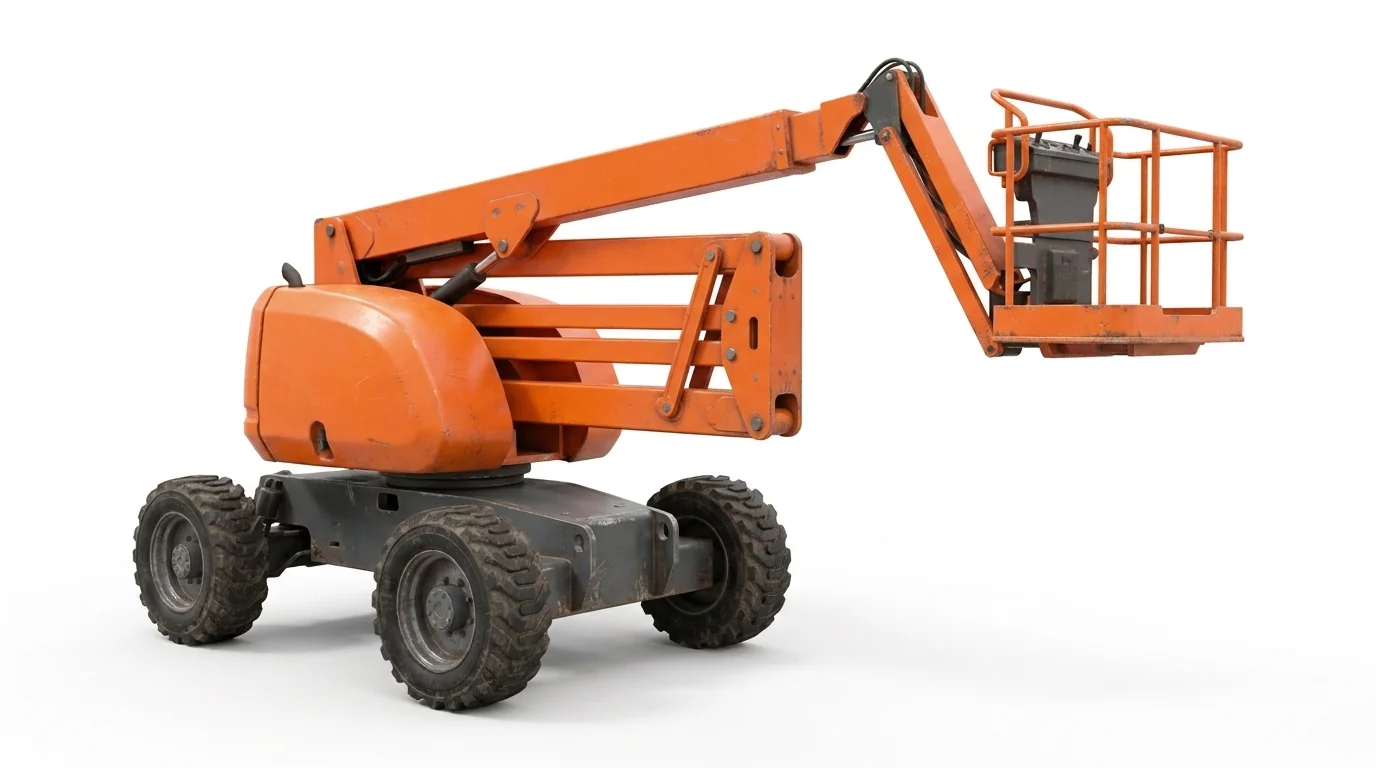
- What is the highest obstruction between the machine and the work point? The articulation “up-and-over” height must clear it with room to position.
- Is side-to-side repositioning limited by landscaping, loading docks, or tight service yards common around local distribution buildings?
Jacksonville site factors that change the choice
- Coastal humidity and salt‑air can affect exposed electronics. Confirm whether a diesel or electric power package better fits indoor vs. outdoor work and corrosion concerns.
- Sandy Type C soil at industrial sites and new builds may require rough‑terrain tires and attention to ground bearing conditions. On finished slab, a compact electric unit may be more appropriate.
- Afternoon storms and variable winds along the riverfront influence working windows at height; actual conditions, the selected unit’s instructions, and site procedures govern elevated work.
Narrowing platform class and power source
- Indoor maintenance with sensitive flooring: compact electric articulating booms with non‑marking tires and tight turning radius. Consider a vertical mast if the setback is minimal and obstacles are lower.
- Exterior envelope work around courtyards or canopies: mid‑range articulating booms with enough up‑and‑over to clear roof edges. If you need long, direct horizontal reach without obstacles, compare a telescopic boom.
- Mixed logistics campuses: diesel rough‑terrain units handle uneven yards; for warehouse interiors, pair with electric scissor lifts for straight vertical tasks.
Access, transport, and staging
- Identify gate widths, turning radii, and whether the yard base is compacted. Articulating booms pivot within smaller footprints than straight booms but still need swing clearance.
- Staging near active loading areas in Jacksonville’s busy logistics corridors may require off‑peak moves; confirm safe travel routes clear of low canopies and utility lines.
When a different category fits
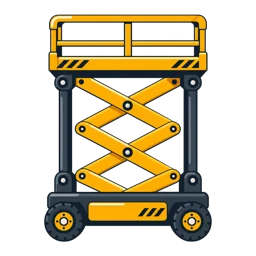
- Pure vertical racking work: electric scissor lifts often out‑perform booms on flat slab.
- Maximum horizontal reach across open ground: telescopic booms deliver longer straight outreach.
- Material placement at height: a telehandler handles loads where a work platform is not the primary need.
For related options across platform types, see boom lift and aerial lift overviews.