Match platform type to the work geometry
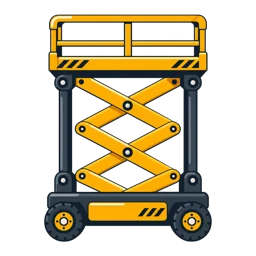
- Vertical-only tasks directly overhead favor scissor lifts. Indoors, compact electric slab units fit narrow aisles; outdoors, rough-terrain scissors carry larger decks on uneven ground.
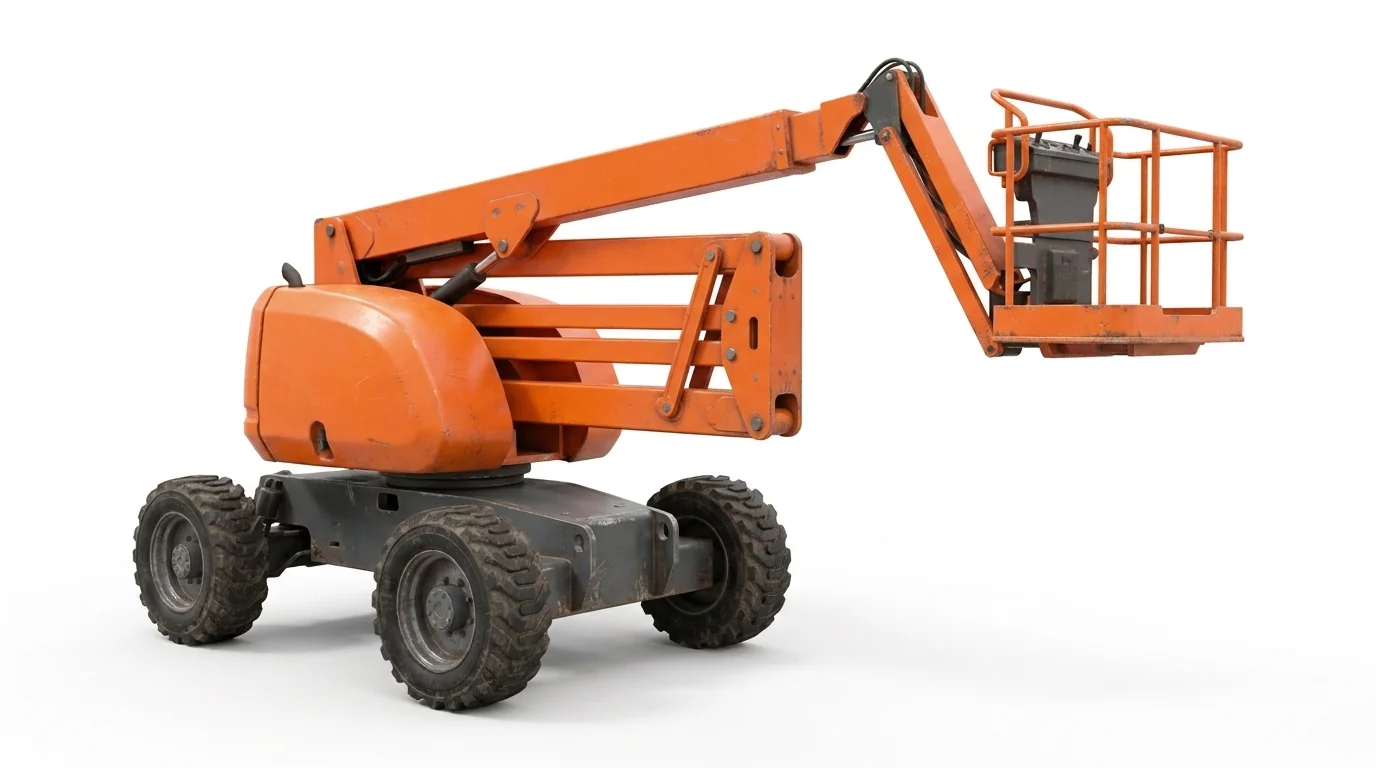
- Offset or obstructed tasks favor boom lifts. Articulating booms go up-and-over around equipment or façades, while telescopic booms deliver long straight reach across open yards.
Jacksonville factors that influence selection
- Humidity and salt air: Indoor planning leans to sealed electric units; outdoor planning often considers simpler powertrains and corrosion-resistant components.
- Sandy soil: Unfinished sites and service yards may require rough-terrain tires or surface stabilization for scissor or boom work.
- Industrial mix: Large distribution buildings drive narrow-aisle needs, while ongoing institutional and venue renovations require exterior reach and staging capacity.
Quick category guide
- Electric scissor lifts: Smooth slabs, low noise, tight aisles. See /electric-scissor-lift-rental/.
- Rough-terrain scissor lifts: Wider decks, heavier loads, uneven ground. See /rough-terrain-scissor-lift-rental/.
- Articulating booms: Up-and-over around obstacles. See /boom-lift-rental/ or /articulating-boom-lift-rental/.
- Telescopic booms: Long horizontal reach on open sites. See /boom-lift-rental/ or /telescopic-boom-lift-rental/.
Access planning details
- Clearance: Confirm machine width and height against doors, gates, and mezzanines.
- Floor/ground: Evaluate slab rating, finishes, and outdoor soil conditions.
- Exposure: Consider wind at elevation, particularly near open waterfront areas.
Actual site conditions, the selected unit’s instructions, and jobsite procedures govern aerial work.